This post contains affiliate links. If you make a purchase through one of these links, I may earn a small commission at no additional cost to you. I only recommend products that I believe may be useful to families.
Anger is not a bad emotion.
It is a normal response to frustration, disappointment, unfairness, fear, overstimulation, or feeling misunderstood. Children do not need to learn that anger is unacceptable. They need help understanding what happens when anger appears and what they can safely do next.
That is where books can be helpful.
A good book about anger can give children words for experiences that may otherwise feel confusing or overwhelming. It can help them recognize physical warning signs, understand how their behavior affects other people, and practise simple ways to calm down or solve a problem.
Different children need different kinds of support. Some benefit from a relatable story. Others need a visual explanation, a memorable calming technique, or a structured guide with practical exercises.
The books in this guide offer four different approaches to helping children understand and manage big feelings:
- practical anger-management strategies
- a simple visual calming method
- a relatable story about an angry outburst
- support with identifying and naming emotions
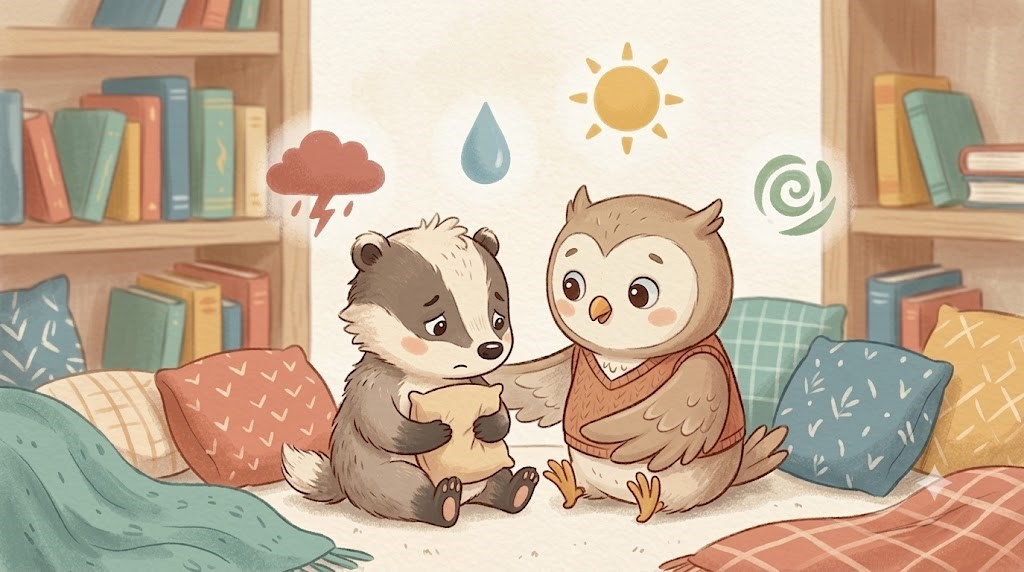
Quick Look at the Best Anger Management Books for Kids
| Book | Best for | Approximate age | Approach |
|---|---|---|---|
| What to Do When Your Temper Flares | Practical anger-management skills | 6–12 | Interactive exercises and structured strategies |
| A Little SPOT of Anger | A simple, memorable calming strategy | 3–7 | Visual explanation and practical technique |
| The Grumbletroll | Talking about angry outbursts | 3+ | Humorous and relatable story |
| The Color Monster | Identifying and naming emotions | 2–6 | Emotional vocabulary and visual learning |
For an older child who needs concrete tools, What to Do When Your Temper Flares is the strongest overall choice.
For a younger child who needs a simple introduction to anger, A Little SPOT of Anger may be easier to understand and remember.
How These Books Were Chosen
The books in this guide were selected because they each contribute something different.
Some focus directly on anger-management strategies. Others help children understand what anger feels like, recognize emotional triggers, or talk about difficult behavior through a fictional character.
I also considered:
- whether the ideas are understandable for children
- which age group each book is most likely to suit
- whether the book works best as a story, discussion tool, or practical guide
- how much adult involvement it may require
- whether it adds something distinct to the other recommendations
Popularity can be useful when choosing a book, but it should not be the only criterion. A widely reviewed book is not automatically the best choice for every child. I have therefore included both well-known titles and a more personal recommendation that I believe deserves a place on the list.
The Best Anger Management Books for Kids
1. What to Do When Your Temper Flares
Best overall for teaching practical anger-management skills
What to Do When Your Temper Flares: A Kid’s Guide to Overcoming Problems With Anger is the most structured and practical book on this list.
Rather than simply telling a story about a child who becomes angry, it guides children through the process of understanding anger and learning what they can do about it.
The book helps children examine how angry thoughts, physical reactions, and actions are connected. It presents anger-management techniques through child-friendly explanations, examples, illustrations, and activities.
This makes it particularly suitable for children who need more than reassurance that anger is normal. It is designed to help them actively practise new ways of responding.
What children may learn from the book
Children are encouraged to notice how anger builds, recognize unhelpful thoughts, and experiment with different ways of cooling down before their actions become difficult to control.
The format can also help parents move away from vague instructions such as “calm down” or “control yourself.” Instead, the family can work with more concrete ideas and practise specific strategies together.
Who is it best for?
Best for: School-aged children who need concrete tools and structured practice
Approximate age: 6–12
Format: Interactive self-help book
Main strength: It provides practical strategies that can be revisited and practised over time
This is likely to work best when a parent or caregiver reads and discusses it with the child. Some older children may be able to work through parts independently, but adult involvement can help connect the exercises to real situations.
What parents should know
This is not a short picture book. It requires more time, attention, and participation than the other books in this guide.
That is also its main advantage. It gives families more material to work with and is likely to be a better fit for a child who experiences repeated anger problems or who needs several different strategies.
For a very young child, however, the amount of information may feel overwhelming. In that case, one of the simpler picture books below may be a better starting point.
See What to Do When Your Temper Flares on Amazon
2. A Little SPOT of Anger
Best for a simple and memorable anger strategy
A Little SPOT of Anger: A Story About Managing BIG Emotions offers a more visual and accessible introduction to anger.
The book turns anger into something concrete that a child can imagine and talk about. This can be useful for young children who struggle to explain what they are feeling or who experience anger as something that suddenly takes over.
Rather than covering many different strategies, the book focuses on making anger easier to understand and introduces a simple technique children can remember.
Why the visual approach can help
Young children often understand an image or metaphor more easily than an abstract explanation about emotional regulation.
By giving anger a recognizable visual form, the book creates some distance between the child and the feeling. Instead of thinking, “I am bad because I am angry,” the child can begin to think, “I am noticing anger, and there is something I can do.”
That distinction can make conversations feel less critical and more supportive.
Who is it best for?
Best for: Younger children learning their first calming strategies
Approximate age: 3–7
Format: Picture book
Main strength: A simple visual concept that is easy to remember
The book may be especially helpful for children who respond well to repetition, visual language, and short practical ideas.
What parents should know
A Little SPOT of Anger is a useful starting point, but it is not a comprehensive anger-management program.
A child with frequent, intense, or complicated outbursts may need more support than one short strategy can provide. The technique is most likely to help when adults practise it with the child during calm moments rather than introducing it for the first time during an outburst.
See A Little SPOT of Anger on Amazon
Want to explore more than anger?
A Little SPOT of Anger is also available as part of the eight-book A Little SPOT of Emotion box set.
The collection explores a broader range of feelings, including anger, anxiety, sadness, happiness, peacefulness, confidence, love, and mixed emotions.
The individual anger book is the most focused and affordable option when anger is the main concern. The box set may offer better overall value for families, classrooms, or homeschool settings that want to build a broader emotional vocabulary.
It may also be useful for children whose anger is sometimes connected to another feeling. For example, what looks like anger may begin with worry, sadness, disappointment, embarrassment, or insecurity.
See the A Little SPOT of Emotion Box Set on Amazon
3. The Grumbletroll
Best relatable story for talking about angry outbursts
The Grumbletroll takes a different approach.
Instead of directly teaching a list of coping skills, it introduces children to a grumpy but lovable troll who becomes extremely angry when things do not go the way he wants.
His anger feels like a storm inside him. It becomes loud and difficult for the people around him, and his behavior eventually affects his friendships.
The story gives children an opportunity to recognize anger from a safe distance. It can be much easier to talk about what a fictional character did than to begin a conversation with, “You behaved badly earlier.”
Why stories can create useful conversations
A child may be able to identify the Grumbletroll’s triggers, reactions, and consequences before recognizing the same pattern in their own life.
Parents can use the story to ask questions such as:
- What do you think made the Grumbletroll so angry?
- How could his friends tell that he was angry?
- What happened after he started shouting?
- What could he have done instead?
- Have you ever felt a storm like that inside?
The aim is not to turn the book into a lecture. It is to help the child think about anger, behavior, and relationships without immediately feeling blamed.
The story may also work well as a starting point for drawing, role-play, or inventing a different ending.
Why I included this book
The Grumbletroll has fewer Amazon reviews than some of the more widely known books in this guide.
I have included it because it is a book I know personally and can genuinely recommend. Its humorous and recognizable portrayal of an angry outburst gives children and adults plenty to discuss.
A recommendation should not be based only on which book has the largest number of reviews. A lesser-known book can still be a strong choice when it communicates an important idea in a way children understand.
Who is it best for?
Best for: Children who recognize themselves in explosive reactions
Approximate age: 3 and up
Format: Picture book and story
Main strength: It creates distance and conversation through a relatable character
What parents should know
The Grumbletroll is mainly a story and conversation starter. It does not provide the same structured anger-management guidance as What to Do When Your Temper Flares.
Adults may need to help the child connect the story to everyday situations and practise alternative responses outside the book.
That makes it a particularly good option for families who value shared reading, humor, and discussion.
See The Grumbletroll on Amazon
4. The Color Monster
Best for helping younger children name their feelings
Some children cannot manage anger effectively because they are still learning to recognize what they are feeling.
A child may say they are angry when they are actually disappointed, worried, embarrassed, lonely, tired, or overwhelmed. Several emotions may also be present at the same time.
The Color Monster: A Pop-Up Book of Feelings helps young children identify and separate different emotions through vivid visual representations.
The story explores feelings such as happiness, sadness, anger, fear, and calm. By giving each feeling its own visual identity, it helps children begin to organize emotional experiences that may otherwise feel mixed together.
Why naming feelings matters
Being able to name a feeling does not automatically make it disappear. It can, however, make it easier for the child and adult to understand what is happening.
Instead of dealing only with the visible behavior, the adult can begin to respond to the emotion or need underneath it.
For example:
- “You are angry because the game ended.”
- “You look disappointed that it was not your turn.”
- “I wonder if you felt worried before you started shouting.”
This kind of emotional vocabulary can create a foundation for later work with calming strategies and problem-solving.
Who is it best for?
Best for: Children who find it difficult to identify what they are feeling
Approximate age: 2–6
Format: Visual picture book
Main strength: It supports emotional recognition and vocabulary
The pop-up format can make the book particularly engaging for younger children and may encourage repeated reading and discussion.
What parents should know
The Color Monster is not specifically an anger-management book.
It does not provide the same level of practical instruction as What to Do When Your Temper Flares or A Little SPOT of Anger. Its value lies in helping children develop the emotional awareness that often needs to come first.
It is therefore a good choice for a child who needs help understanding the difference between anger and other big feelings.
See The Color Monster on Amazon
Which Anger Management Book Is Right for Your Child?
There is no single best anger book for every child.
The right choice depends on the child’s age, how they learn, and what part of emotional regulation is most difficult for them.
Choose What to Do When Your Temper Flares when your child is school-aged and needs structured, practical strategies.
Choose A Little SPOT of Anger when a younger child needs one simple and visual way to understand and respond to anger.
Choose The Grumbletroll when your child responds well to stories, humor, and talking about fictional characters.
Choose The Color Monster when your child first needs help recognizing and naming different emotions.
Some families may benefit from combining two approaches. A story can help the child feel understood, while a practical guide provides strategies to practise afterward.
For example, a younger child might read The Grumbletroll to explore what an outburst feels like and then use A Little SPOT of Anger to learn a simple calming technique.
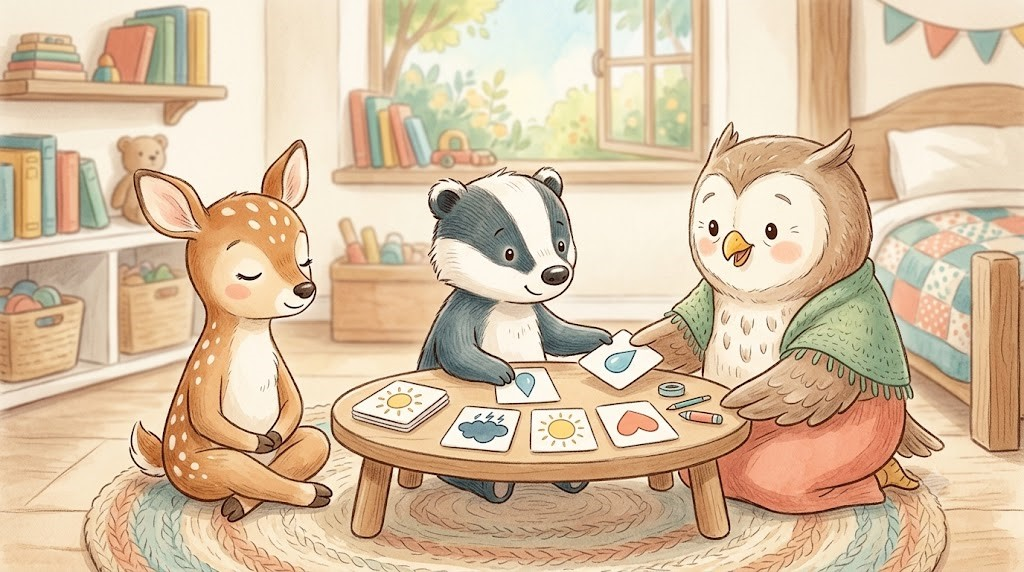
How to Use Anger Management Books With Kids
Buying the right book is only the first step. How the book is used can make a significant difference.
Read the book when your child is calm
The middle of an angry outburst is rarely the best time to introduce a new idea.
When children are overwhelmed, they may not be able to listen, reflect, or practise an unfamiliar technique. Read and discuss the book during a calm period, when there is no immediate conflict to solve.
This allows the child to explore the ideas without feeling corrected or pressured.
Avoid turning the book into a lecture
A book about anger should not become evidence in a case against the child.
Statements such as “This is exactly what you do” may make the child defensive and less willing to engage.
Begin with curiosity instead:
“What do you think is happening here?”
“Why do you think the character reacted that way?”
“What might have helped?”
The child may eventually connect the story to their own experiences without being pushed.
Talk about the character before talking about the child
Fictional characters create emotional distance.
A child may be able to discuss the Grumbletroll’s anger or the Color Monster’s confused feelings long before they are ready to talk about their own behavior.
That is still useful learning. The child is practising how to identify triggers, emotions, choices, and consequences.
Practise one strategy at a time
Children do not need ten calming techniques at once.
Choose one idea from the book and practise it repeatedly during calm moments. It could be breathing, counting, taking space, naming the feeling, asking for help, or noticing early warning signs.
A simple strategy that the child remembers is more valuable than a long list that is forgotten during a difficult moment.
Return to the book regularly
Emotional regulation develops through repetition.
A book is unlikely to transform behavior after one reading. Return to useful pages, repeat the same language, and notice small examples of progress.
You can also connect the book to daily life without waiting for a major outburst:
“You looked frustrated, but you asked for help.”
“You noticed your anger before it became too big.”
“You took a break and came back.”
This helps children understand that emotional skills are something they can gradually learn.
Books Are Most Helpful When Children Can Practise the Skills
Books can give children language, ideas, and useful models. They also need opportunities to practise emotional skills in everyday life.
Play can be particularly useful because it allows children to explore feelings without the pressure of a serious conversation. Through games, pretend play, role-play, drawing, and storytelling, children can practise identifying emotions, considering different responses, solving problems, and understanding another person’s perspective.
Related posts:
More resources are coming soon:
Why Anger Is Okay: How to Help Kids Handle Big Feelings Safely
Best Games and Playful Activities for Teaching Kids About Emotions
Frequently Asked Questions
What age are anger-management books for?
Anger-management books are available for children from the toddler years through adolescence, but the format should match the child’s developmental level.
Young children often benefit from short picture books with clear illustrations, repeated language, and one simple message.
Older children may be ready for interactive guides that ask them to reflect on thoughts, physical sensations, triggers, and behavior.
The recommended age range is only a guide. A child’s language skills, attention span, and emotional development are equally important.
Can a book really help a child manage anger?
A book can help a child develop emotional vocabulary, understand anger, and learn possible coping strategies.
It is less likely to help when it is treated as a one-time solution.
Children usually need adults to discuss the ideas, model the skills, practise during calm periods, and provide support when difficult situations arise.
Books can be valuable tools, but they work best as part of a broader process.
Should I read an anger book during a tantrum?
Usually not.
During an intense outburst, the priority is safety, reducing stimulation, and helping the child regain control. A child who is highly activated may not be able to process a story or lesson.
Read the book later, when the child is calm and receptive.
Once a strategy has been practised many times, an adult may be able to gently remind the child of it during a difficult moment.
What if my child refuses to talk about anger?
Avoid forcing a direct conversation.
Begin with the book’s character instead of asking the child to explain their own feelings. You can also use drawing, toys, puppets, role-play, or invented stories.
Some children communicate more easily while doing another activity rather than during a face-to-face conversation.
The aim is to create opportunities for reflection, not to demand an immediate explanation.
When should parents seek additional help?
Consider speaking with a qualified professional when anger is frequent, extremely intense, causes harm, seriously disrupts family or school life, or seems impossible for the child to recover from despite consistent support.
Additional help may also be useful when anger appears alongside significant anxiety, sadness, sleep problems, developmental concerns, or major changes in functioning.
Seeking guidance does not mean that the child is bad or that the parents have failed. It means the family may benefit from more individualized support.
Final Thoughts
The most helpful book is the one that matches what your child needs right now.
What to Do When Your Temper Flares is the strongest option for older children who need practical, structured tools.
A Little SPOT of Anger provides a simpler and more visual introduction for younger children.
The Grumbletroll uses humor and a relatable character to open conversations about angry outbursts and their effect on relationships.
The Color Monster is particularly useful when the child is still learning to recognize and name different feelings.
None of these books teaches children that they should never feel angry. Instead, they can help children understand that anger is allowed, while also showing them that they can learn safer and more effective ways to respond.
This post contains affiliate links. If you purchase a product through one of these links, I may earn a small commission at no extra cost to you. Recommendations are based on relevance and usefulness, not solely on potential affiliate earnings.
Pingback: Best Games and Playful Activities for Teaching Kids About Emotions – Kids Books & Learning Blog
Pingback: Why Anger Is Okay: How to Help Kids Handle Big Feelings Safely – Kids Books & Learning Blog