
If your child is struggling to learn letter sounds, you’re not alone. Many parents notice that their child finds it difficult to connect letters with sounds, and this can quickly make learning to read feel frustrating for both of you.
The good news is that this is completely normal. In most cases, it is not about ability, but about how reading is introduced.
Letter Sounds Are the Foundation of Reading
Before a child can read words, they need to understand one simple concept:
👉 letters represent sounds
When children learn to connect letters with their sounds, they gain the ability to “decode” words. This means they can look at a word, break it down into sounds, and begin to read independently.
Without this foundation, reading becomes guessing instead of understanding.
What Happens When Letter Sounds Are Missing
When children do not fully grasp letter sounds, a few common challenges appear:
- Reading feels slow and difficult
- Words are guessed instead of sounded out
- Confidence starts to drop
- Frustration increases during learning
Over time, this can lead to a child avoiding reading altogether, not because they cannot learn, but because it feels too hard.
What Actually Helps Children Learn Letter Sounds
The key to learning letter sounds is not complexity. It is consistency and the right approach.
Children learn best when they have:
- Simple and clear introduction to sounds
- Repetition to build confidence
- Short, manageable practice sessions
- Engaging activities that feel like play
When learning feels structured but still enjoyable, children are much more likely to stay motivated and improve.
Why the Right Tools Make a Big Difference
Many parents try to teach letter sounds using random materials or by improvising. While this can work, it often becomes inconsistent and confusing for the child.
Using structured phonics resources can make the process much easier.
Beginner-friendly workbooks, for example, introduce letter sounds step by step, while also providing repetition and simple exercises that reinforce learning. More activity-based workbooks can help keep children engaged and motivated over time.
If you want a simple overview of beginner-friendly phonics books that follow this approach, you can find them here:
👉 See phonics books for beginners
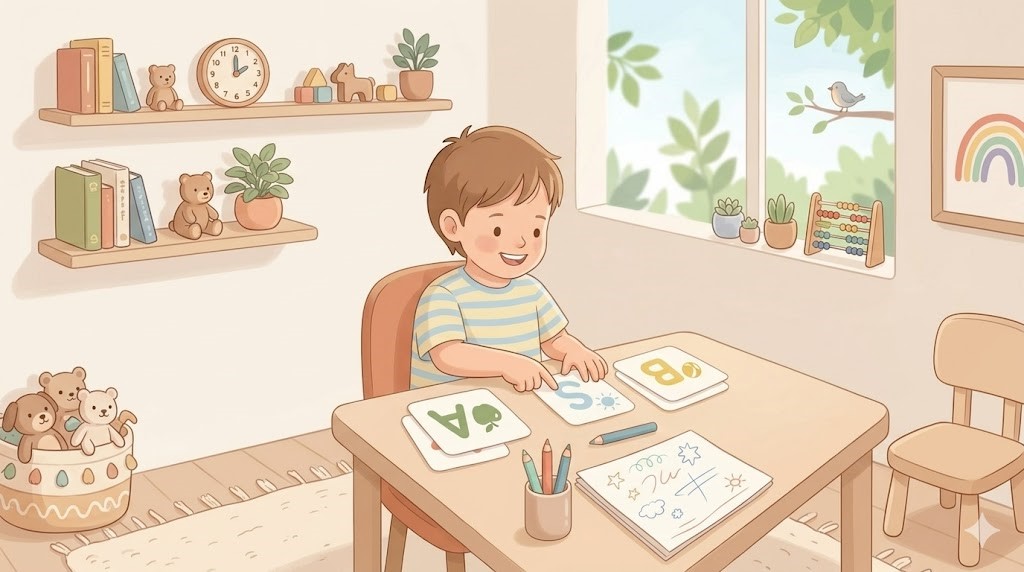
A Simple Way to Support Your Child at Home
You do not need long study sessions or advanced methods.
What matters most is:
- keeping sessions short
- practicing regularly
- making learning feel positive
Even 10–15 minutes a day with the right structure can make a significant difference over time.
Final Thoughts
Learning letter sounds is one of the most important steps in early reading. When children understand how letters connect to sounds, everything else becomes easier.
With the right approach and the right tools, your child can build confidence step by step and start enjoying the process of learning to read.
Affiliate Disclaimer
This post contains affiliate links. As an Amazon Associate, I may earn a small commission at no extra cost to you.