By Kids Books & Learning Blog / May 2026
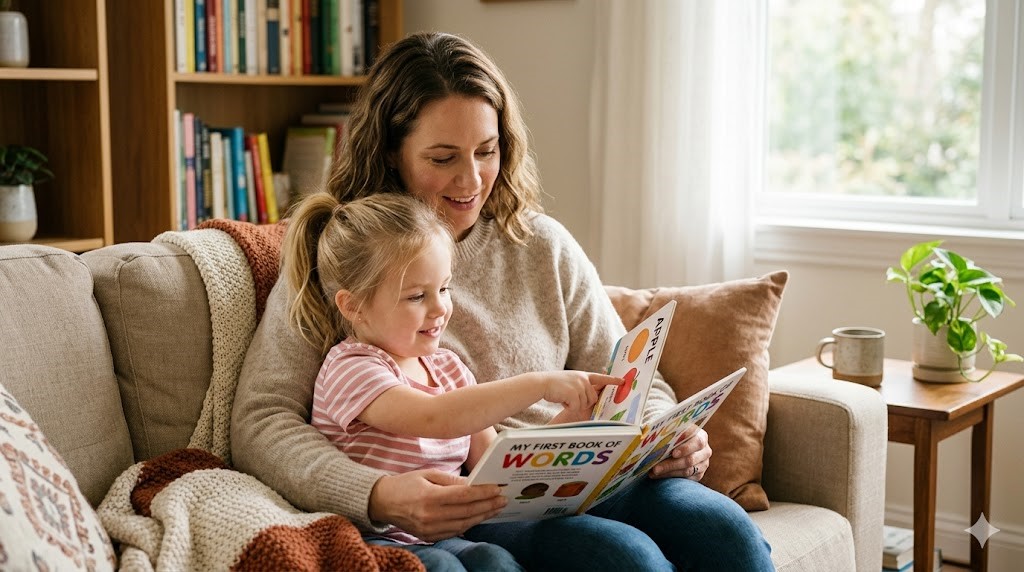
If your child is starting to read simple words, but still struggles to read full books, you are not alone.
Many children can sound out short words like cat, sun, dog, or run, but reading a whole page can still feel difficult. They may know the sounds. They may be starting to blend. But when they see several sentences together, they freeze, guess, or lose confidence.
This is a very common stage in early reading.
Learning to read independently takes time. Children need books that match what they are ready to do. If a book has too many hard words, long sentences, or unfamiliar patterns, it can quickly become frustrating.
That is why simple one syllable books can be so helpful for new readers.
These books give children a fair chance to succeed. They use short words, simple sentences, repeated patterns, and stories that feel possible to finish.
The goal is not to rush your child into harder books.
The goal is to help your child feel:
“I can read this.”
That feeling matters.
New Readers Need Books That Feel Possible
When children are learning to read, the right book level is very important.
Many children’s books look simple because they have bright pictures and only a few words on each page. But that does not always mean the words are easy for a new reader.
Some books include long words, irregular words, or sentence patterns that a beginner cannot decode yet. When this happens, the child may need constant help from an adult.
That can make reading feel discouraging.
New readers need books that feel possible. They need books where they can read some words on their own, use what they already know, and build confidence step by step.
The best first reading books are not the books that look impressive.
They are the books your child can actually read.
What One Syllable Words Are
One syllable words are words that have one beat or one sound unit.
For example:
- cat
- dog
- sun
- fish
- hat
- run
- sit
- map
These words are often easier for new readers because they are short and manageable.
A child does not have to hold too many sounds in memory at once. The word is smaller, clearer, and easier to sound out.
This is especially helpful when children are still learning to blend sounds together.
For example, a child may find it easier to read:
sun
than a longer word like:
sunshine
Both words are related, but one is much easier for a beginning reader.
Simple one syllable words give children a place to start.
Why One Syllable Books Build Confidence
Confidence is a huge part of early reading.
When a child opens a book and feels overwhelmed, they may quickly decide that reading is too hard. But when a child sees short words and simple sentences, they are more likely to try.
That first feeling matters.
A book with one syllable words can help children read more words by themselves. It can also help them finish a whole book without feeling exhausted.
For a new reader, finishing even a very simple book can feel like a big achievement.
They begin to think:
“I read that myself.”
This kind of success can make children more willing to practice again later.
Simple books do not make reading less valuable. They make reading more achievable.
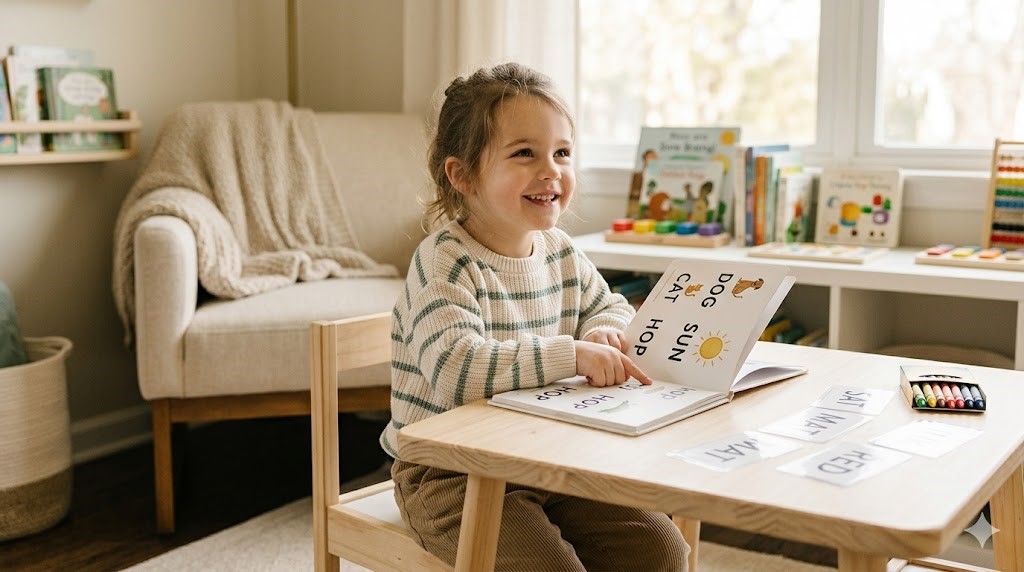
Why Harder Books Can Lead to Guessing
When books are too hard, many children start guessing.
They may look at the first letter and guess the rest of the word. They may use the picture instead of sounding out the word. They may memorize the story after hearing it read aloud. They may wait for the parent to say the word for them.
This is common.
Guessing can look like reading at first, but it does not build the same reading skill.
A child might seem to know a familiar book, but then struggle when the words appear in a new book or without picture clues.
This is why simple books are important.
When words are short and predictable, children can practice actual reading. They can look at the letters, say the sounds, blend the sounds, and understand the word.
That is the skill they need for independent reading.
Simple Books Help Children Read Whole Sentences
Reading is not only about reading single words.
Children also need to learn how words work together in a sentence.
Simple books help with this because the sentences are short and easier to follow.
For example:
The cat sat.
I see a dog.
Sam can run.
These sentences may look very basic, but they are valuable for new readers.
They help children practice reading from left to right, following words in order, and understanding meaning as they read.
This is different from practicing isolated words on flashcards or worksheets.
Both can be useful, but simple books help children see that reading is about meaning. The child is not just reading sounds. They are reading a story.
Repetition Is Not a Problem
Many parents worry when their child wants to read the same easy book again and again.
But repetition is not a problem.
For new readers, rereading can be very helpful.
When children reread a simple book, they become more familiar with the words. They may read more smoothly. They may feel less pressure. They may begin to notice patterns they missed the first time.
Rereading an easy book is not going backward.
It is one of the ways children become more fluent readers.
A book that feels easy today can help build the confidence needed for a slightly harder book later.
So if your child wants to reread the same small book several times, that can be a good sign. It may mean the book feels safe, familiar, and achievable.
Signs Your Child Is Ready for Easy Reader Books
Your child may be ready for simple easy reader books if they are beginning to connect letter sounds with words.
Signs include:
- they can recognize several letter sounds
- they can blend some short words
- they can read simple words with support
- they show interest in trying a small book
- they can focus for five to ten minutes
- they feel proud when they read a word
- they want to read some words by themselves
Your child does not need to read perfectly before starting easy reader books.
In fact, the right books can help them practice in a more meaningful way.
The key is choosing books that are simple enough for success.
How Parents Can Use One Syllable Books at Home
You do not need long reading lessons at home.
Short and calm practice often works better.
Try this simple approach:
- choose a book that feels easy
- read for five to ten minutes
- let your child try the words they can
- help calmly with tricky words
- allow rereading
- praise effort and progress
- stop before frustration builds
The goal is to make reading feel possible.
If your child reads one page successfully, that counts. If your child reads the same book again tomorrow, that counts too.
You can say:
“You read that word yourself.”
Or:
“That book felt easier today.”
Or:
“You finished the whole book.”
These small comments help children notice their progress.
What to Avoid With New Readers
When children are starting to read, it is easy to move too quickly.
Try to avoid:
- books with too many hard words
- long reading sessions
- pushing harder levels too soon
- correcting every small mistake
- making reading feel like a test
- expecting full independence too early
- choosing books only because they look more advanced
At this stage, easier books are not too easy.
They are often exactly what a new reader needs.
A child who reads a simple book with confidence is building a stronger foundation than a child who struggles through a harder book and feels defeated.
Reading should stretch your child gently, but it should not feel impossible.
Why Small Successes Matter
Early reading grows through small successes.
A child reads one word.
Then a short sentence.
Then a page.
Then a small book.
Each step matters.
When children feel successful, they are more likely to keep trying. When they feel confused or pressured, they may begin to avoid reading.
This is why simple one syllable books can be so useful.
They give children a realistic path from sounding out short words to reading whole books. They make progress visible.
A child does not need to jump straight into longer stories.
They need a place to begin.
Final Thoughts
Simple one syllable books are often best for new readers because they feel achievable.
They use short words, simple sentences, and repeated patterns that help children practice real reading without becoming overwhelmed.
They can also reduce guessing, build confidence, and help children experience the powerful feeling of finishing a whole book.
If your child is starting to read, do not worry about choosing the most advanced books.
Choose books your child can actually read with support.
With simple books, short practice sessions, and steady encouragement, your child can begin to move from reading single words to reading independently.
👉 See our favorite easy reader books for kids starting to read independently here.
Affiliate Disclaimer
This post contains affiliate links. As an Amazon Associate, I may earn a small commission at no extra cost to you.
Pingback: Best Easy Reader Books for Kids Starting to Read Independently – Kids Books & Learning Blog